

As a current member of The All A-Board Artists, each month you will have access to a live, all day workshop. Below this text, you will find the reference material you will need, an equipment list, and the details of how to attend.
Please ensure that you allow yourself plenty of time to prepare for the session.
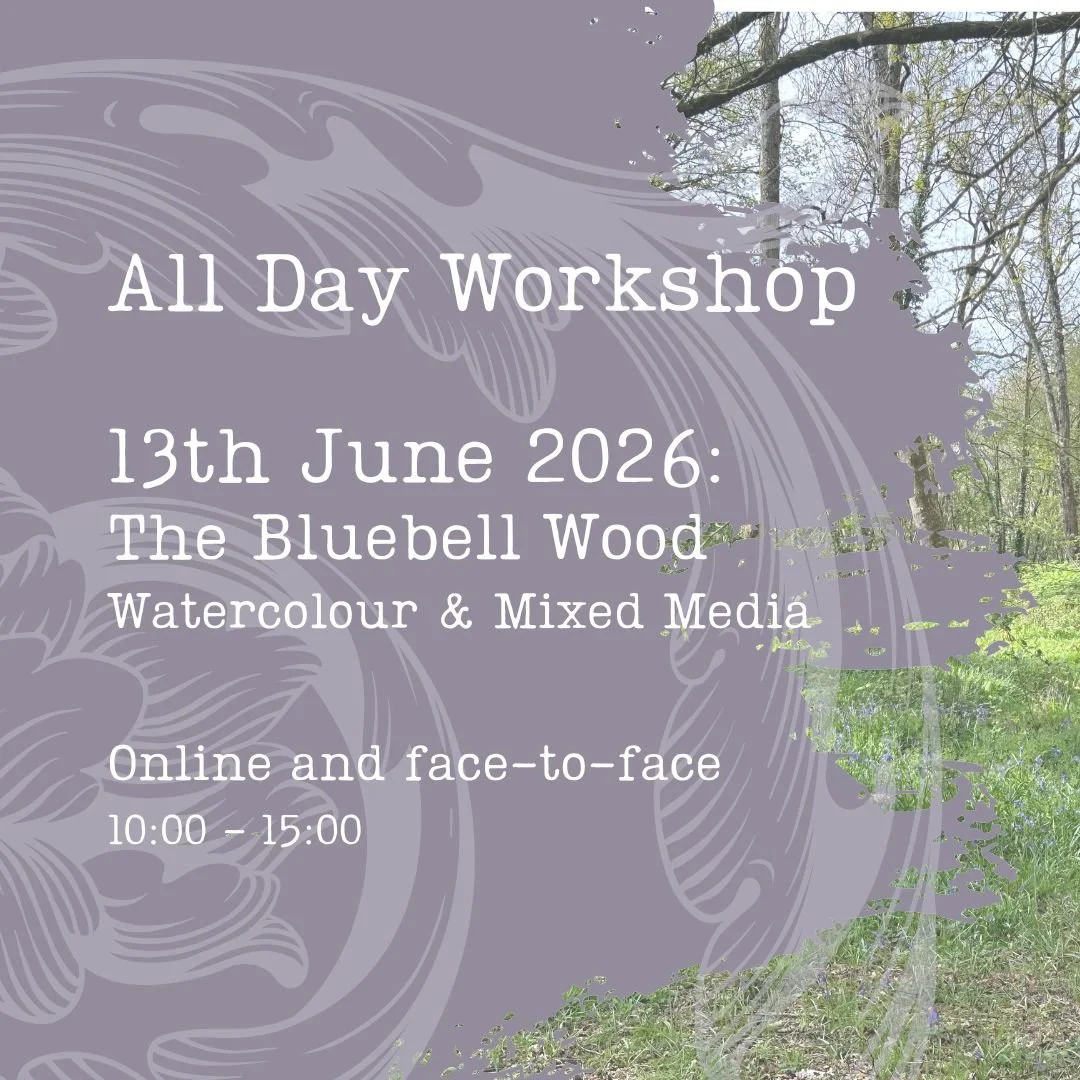
June Live Workshop event:
SATURDAY 13TH, 10:00 - 15:00
The session will take place on Zoom, please make sure you are well acquainted with
the application before attending a meeting.
If your technology can join automatically, please click on this link:
https://us02web.zoom.us/j/81902690633
You may need to enter the details automatically:
Meeting ID: 819 0269 0633
Passcode: 413828
If you need to leave and then return, we suggest that you mute your audio, turn off your camera, but remain logged in to the session so that you can pick up the tuition when you need to come back.
Would you like to attend at Ali’s studio?
Green Gold members are welcome to attend at the studio alongside people who may be joining us from outside membership. They will have paid to attend, you will be able to join at no extra cost, using the code GREENGOLDFREE at the checkout. Please choose your session carefully and check all of the details before signing up or you may incur an admin fee.
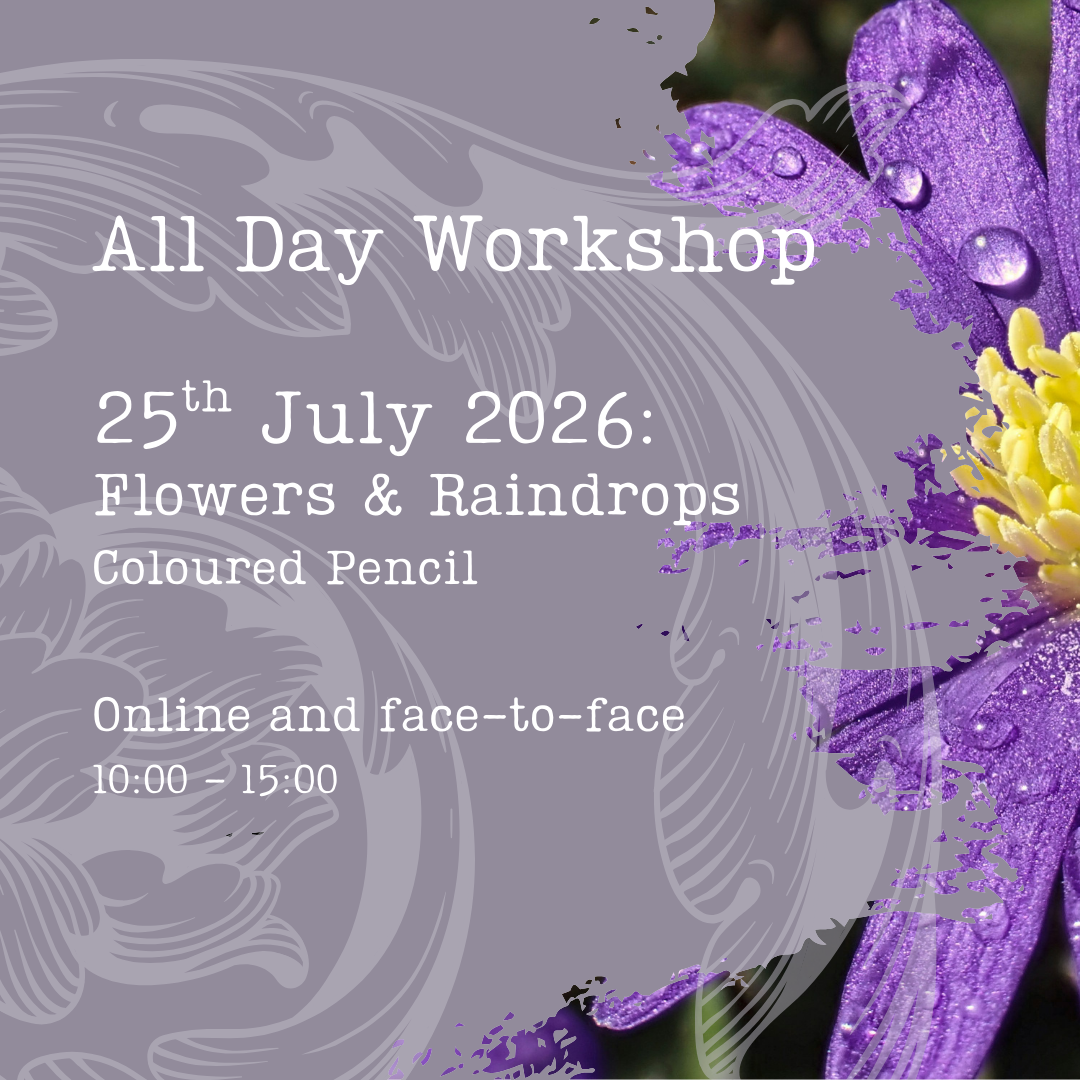
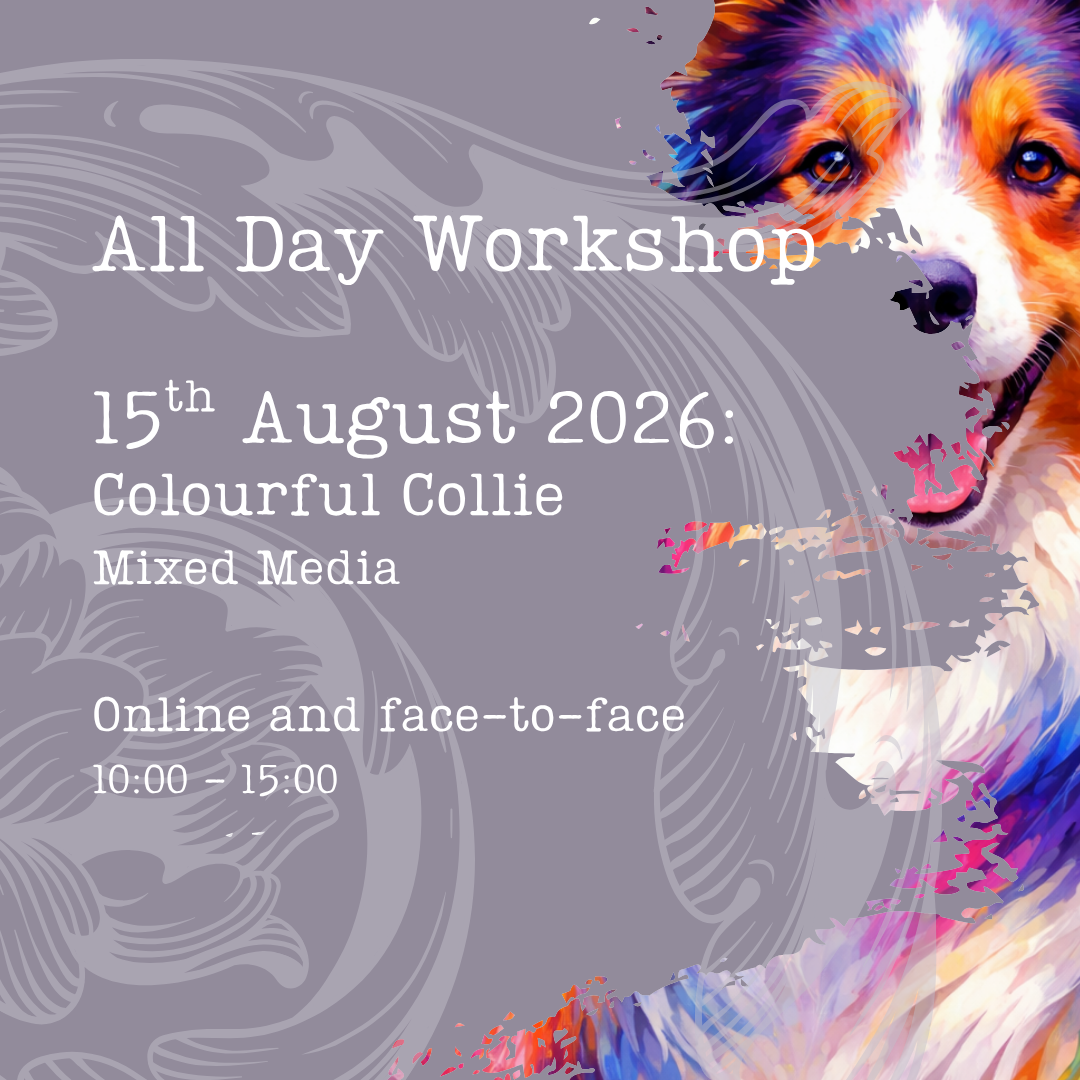
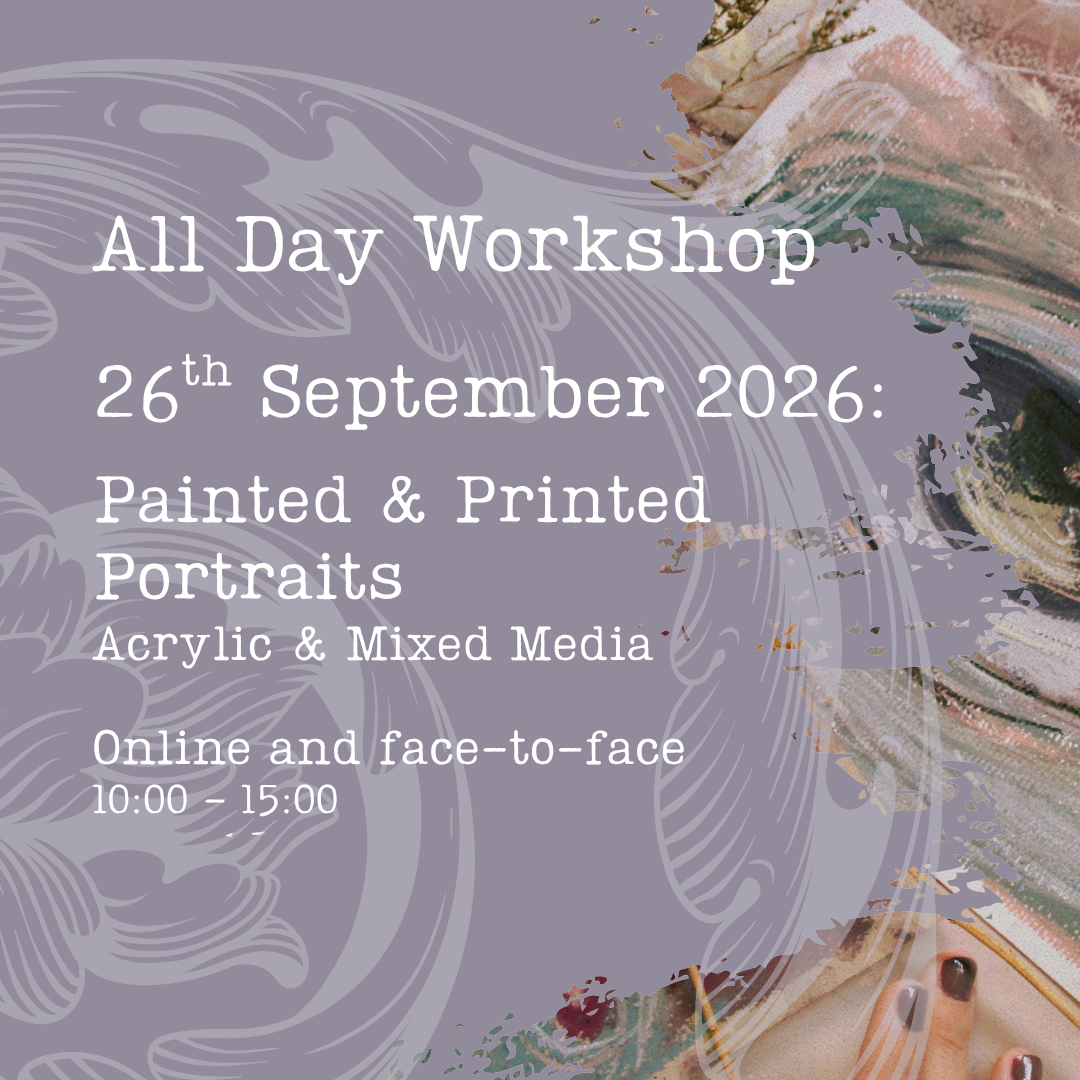
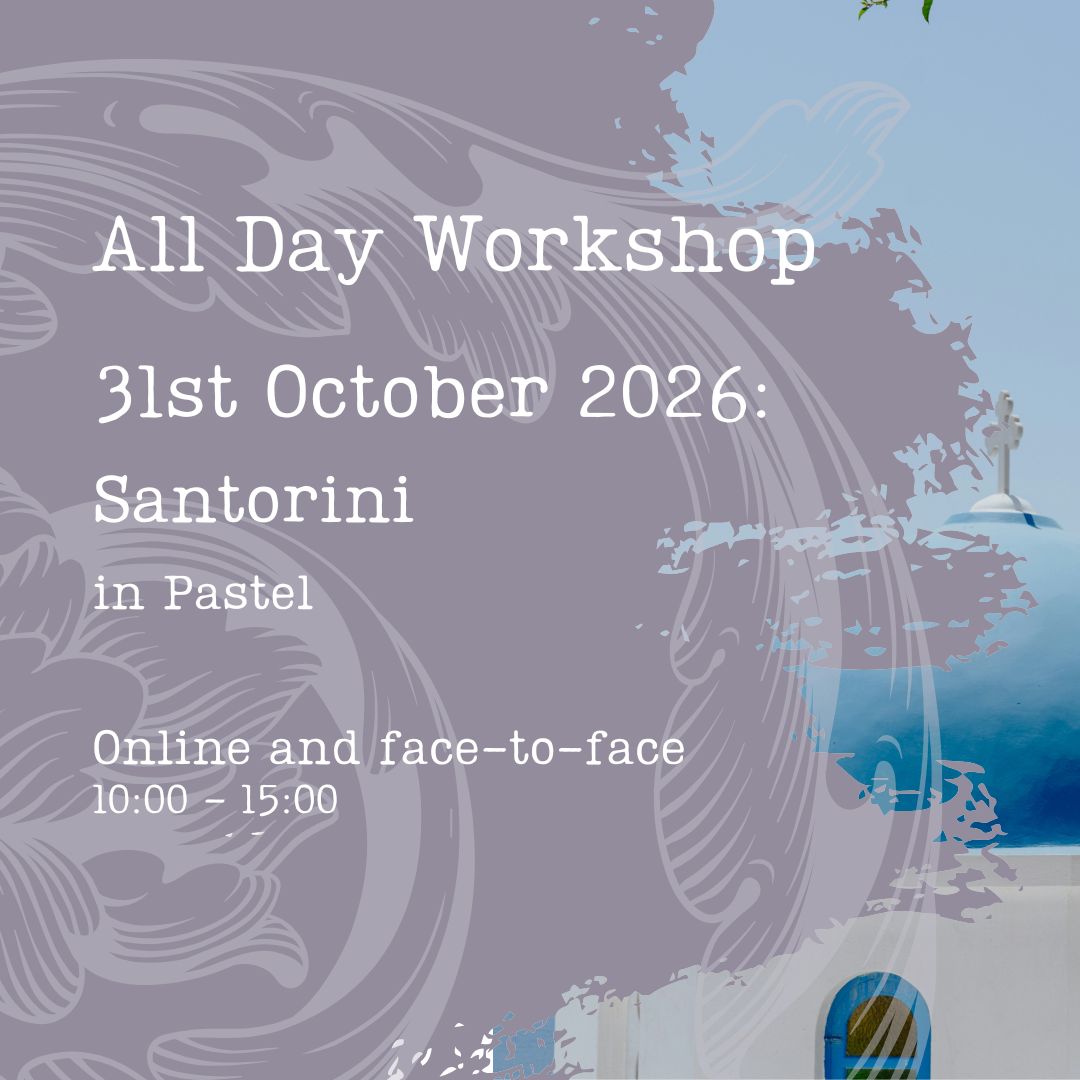
A series of inspiring day-long mixed-media workshops, available online or in person at her North Dorset studio, each exploring a new creative theme through guided demonstrations and hands-on experimentation. With small groups and personalised support, these sessions are suitable for all abilities and offer an energising space to build skills, confidence, and creative momentum.
Reference and preparation
Bluebell Wood in Mixed Media
Please download and print the following in plenty of time for your session, you may also wish to find your own reference to work from:
You have some options for your workshop this month:
If you would like a ‘comfortable’ day where you concentrate on pure watercolour and simplifying the composition, you will need transfer paper and traditional watercolour equipment.
If you want to push yourself a little further, experiment with a watercolour paper that has a heavy texture such as ‘rough’ or handmade where the texture is very prominent. It will make the ground easier but the tree trunks will be a challenge.
If you feel that your landscape painting needs a new injection of interpretation then you might decide to paint much bigger. Perhaps you want to give your painting lots of room to create atmosphere or even scale up the photo to create a larger composition.
For the bluebells there are many techniques to experiment with, if you are aware of ‘Brusho’ then that might be an option or a toothbrush and gouache will also be fun to play with.
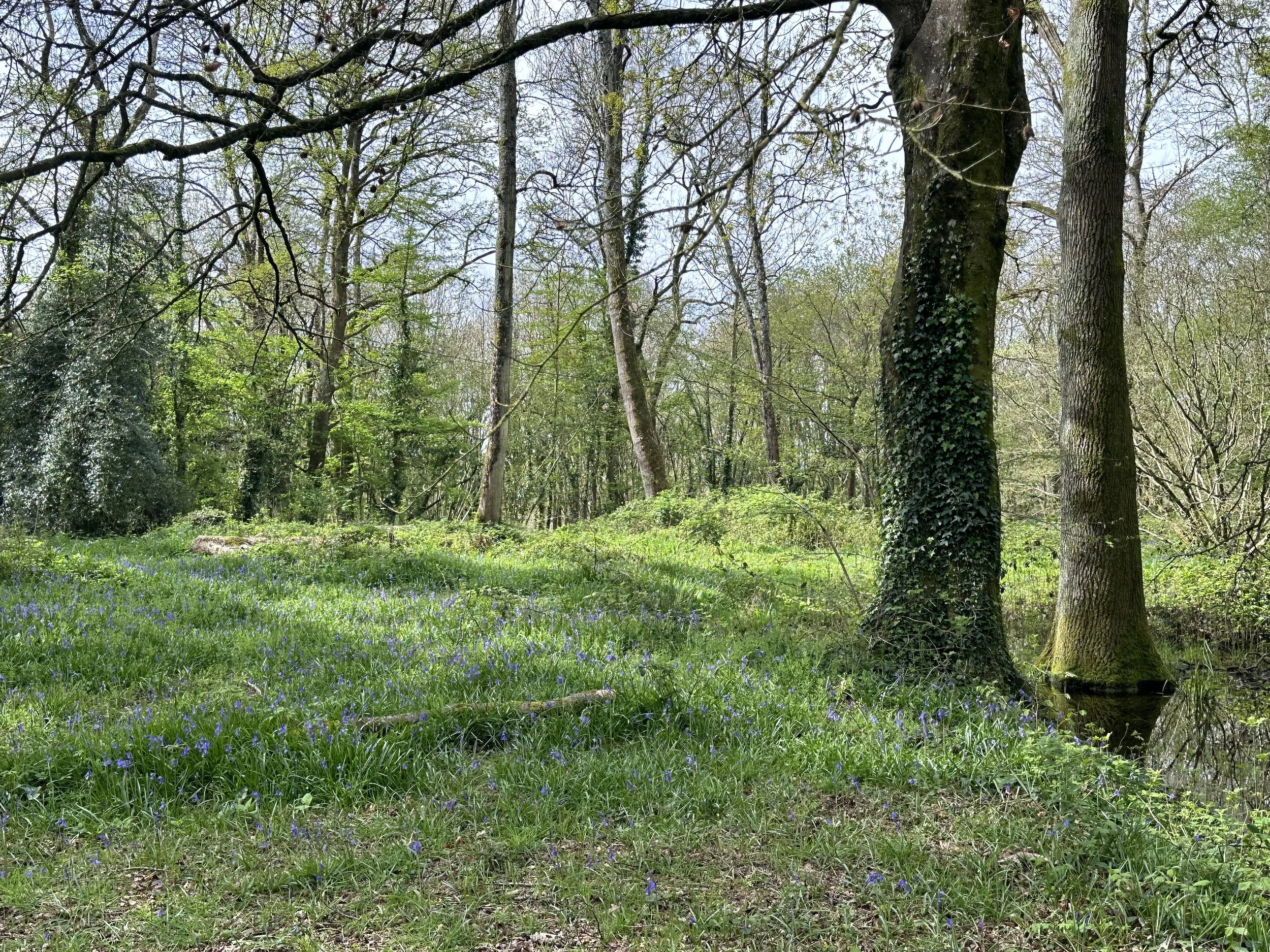
Download HERE
EQUIPMENT/MATERIALS
Please feel free to use variations to suit your budget or particular situation, exact replication of the materials is not essential for the success of your piece. The equipment list below is designed to cover all sessions throughout the year by providing suggestions based on the techniques that are being covered. If you have any queries or are unsure in any way, please get in touch and Ali can help you further.
BASICS:
Lightweight Drawing Board
Drawing board rest/slope
Framer’s tape/masking tape
Tablecloth/newspaper
Pencil
Putty/Plastic Eraser
Tracedown/graphite stick/tracing paper if you are not confident with freehand drawing or wish to use a shortcut on the day.
Good size water pot
Hairdryer/Heat Gun
Spray Bottle
Kitchen Roll – good quality
IF YOUR SESSION IS BASED ON INK TECHNIQUES:
Any sketching pens or paint markers both water soluble and/or waterproof.
Bottled ink – this could be waterproof or water soluble or a combination of the two, for example fountain pen ink would run with water after it is dry and acrylic ink stays put. You may also wish to have old or cheaper brushes to apply these.
IF YOUR SESSION IS BASED ON ACRYLIC TECHNIQUES:
You may need a surface applicable to acrylic painting such as canvas or acrylic painting paper, but watercolour paper can also be used, particularly cheaper brands or types that do not use cotton.
Check to see if the workshop is acrylic paint, acrylic ink or a combination of the two. Colour choices will depend on what subject you are painting, and all qualities of paint have a job so no matter how cheap or expensive they are, they are all useful to have in your stash.
Brushes or application tools for acrylic painting. Ali will be using nylon brushes and sometimes brushes used for decorating as they are much cheaper, she may also be using palette knives or mark making tools (see above).
OTHER ‘MIXED MEDIA’ TOOLS THAT YOU MAY FIND USEFUL:
‘Posca’ (Acrylic Paint) Markers with a fine nib such as 0.7.
‘Brusho’ or powders that split and make interesting textures
Alternative application tools such as dip pens, ruling pens or bamboo skewers.
IF YOUR SESSION IS BASED ON WATERCOLOUR TECHNIQUES:
A good quality, 100% cotton watercolour paper such as Fabriano Artistico, the weight and surface are your choice, but Ali would recommend 300gsm ‘NOT’ also called Cold Pressed. If your session suggests ‘on black’ this could be black watercolour paper or a black painting surface.
Any brand of artists’ quality watercolours - Ali will be using her own brand, is happy to work with any assortment of colours and can provide information on the combinations you own, plus suggesting future alternatives.
Your usual watercolour brushes, please make sure you have something relatively large with a good point. Ali will mostly be using Imitation Sable brushes and Quills/Mops.
White Gouache and/or a white biro/gel pen/acrylic paint marker.
IF YOUR SESSION IS BASED ON ‘TEXTURES’ OR ‘COLLAGE’ TECHNIQUES:
Mark Making tools that create interesting patterns such as cocktail sticks, bubble wrap, old credit cards, sponges, stencils etc. – the list is endless!
A thin, pale coloured paper such as tissue or newsprint. You may also find you have printed versions, try to use something where the pattern is applicable to the subject such as music or text but please make sure they are free from copyright.
An adhesive to apply the collage such as Bindex or a waterproof PVA glue, it is very important that the glue is waterproof so please check what you have
Depending on the session, a medium such as gesso or watercolour ground and a metal palette knife to apply it.
IF YOUR SESSION IS BASED ON PASTEL TECHNIQUES:
‘Pastelmat’ or a good quality pastel paper that has a tooth that accepts layers of pastel, the choice of colour is entirely up to you or could be chosen to reflect the subject.
Any brand of chalk pastel - Ali will be using an assortment of Faber, Conte, Daler Rowney and Unison.
Pastel Pencils – again, any brand will be fine, Ali favours Carb Othello (Stabilo), Faber, Caran D’Ache or Derwent.
Fine sandpaper.
Assorted sizes of paper stump/Tortillon/cotton buds/blending tools.
Baby wipes (biodegradable if possible) and hand moisturiser.