
Thank you for signing up to my workshop at the Royal Motor Yacht Club
Below this text you will find instructions for what you need to do ahead of our session together plus a list of materials and the opportunity to hire your equipment from me on the day. Please continue to scroll for more information…
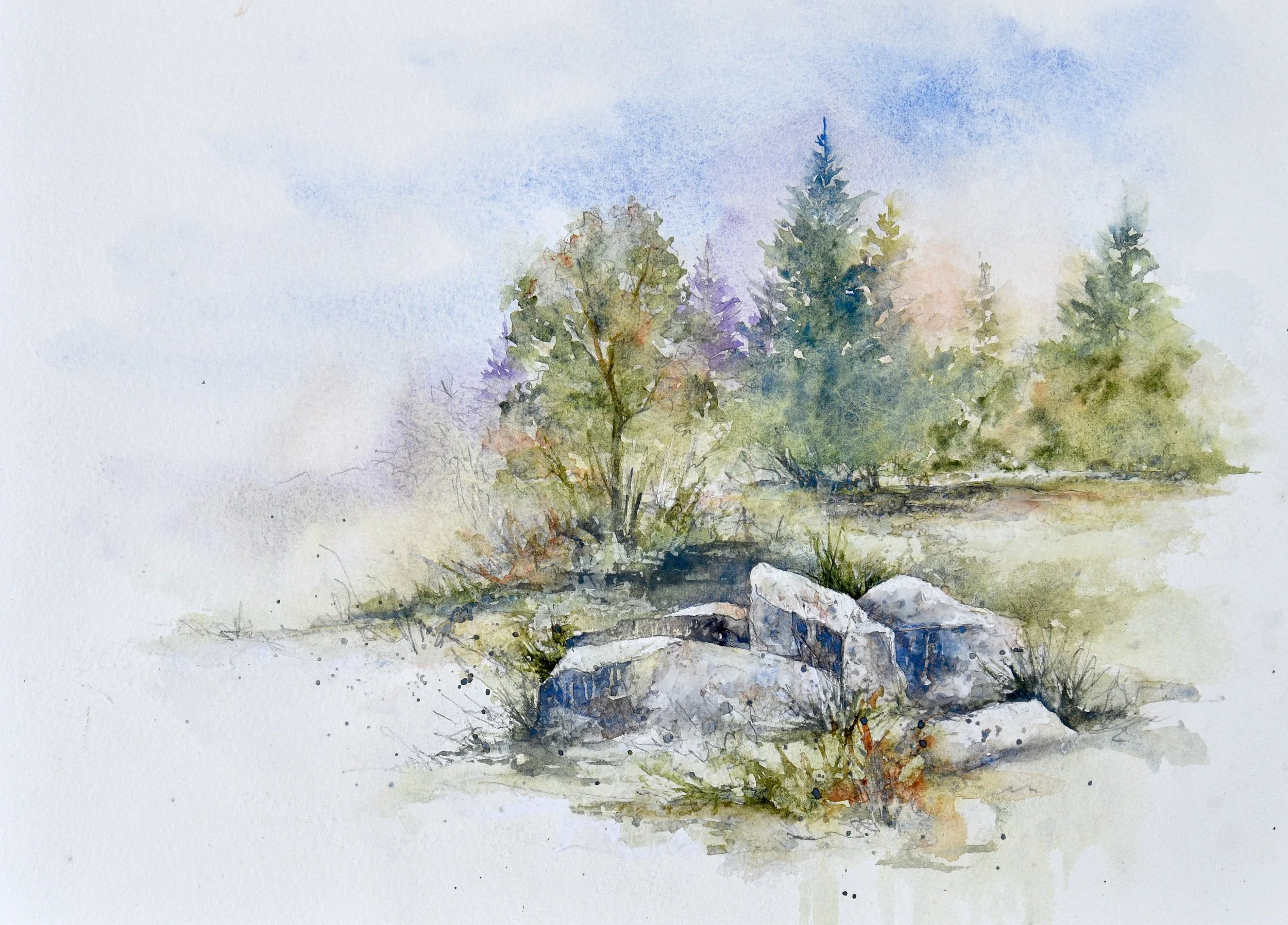
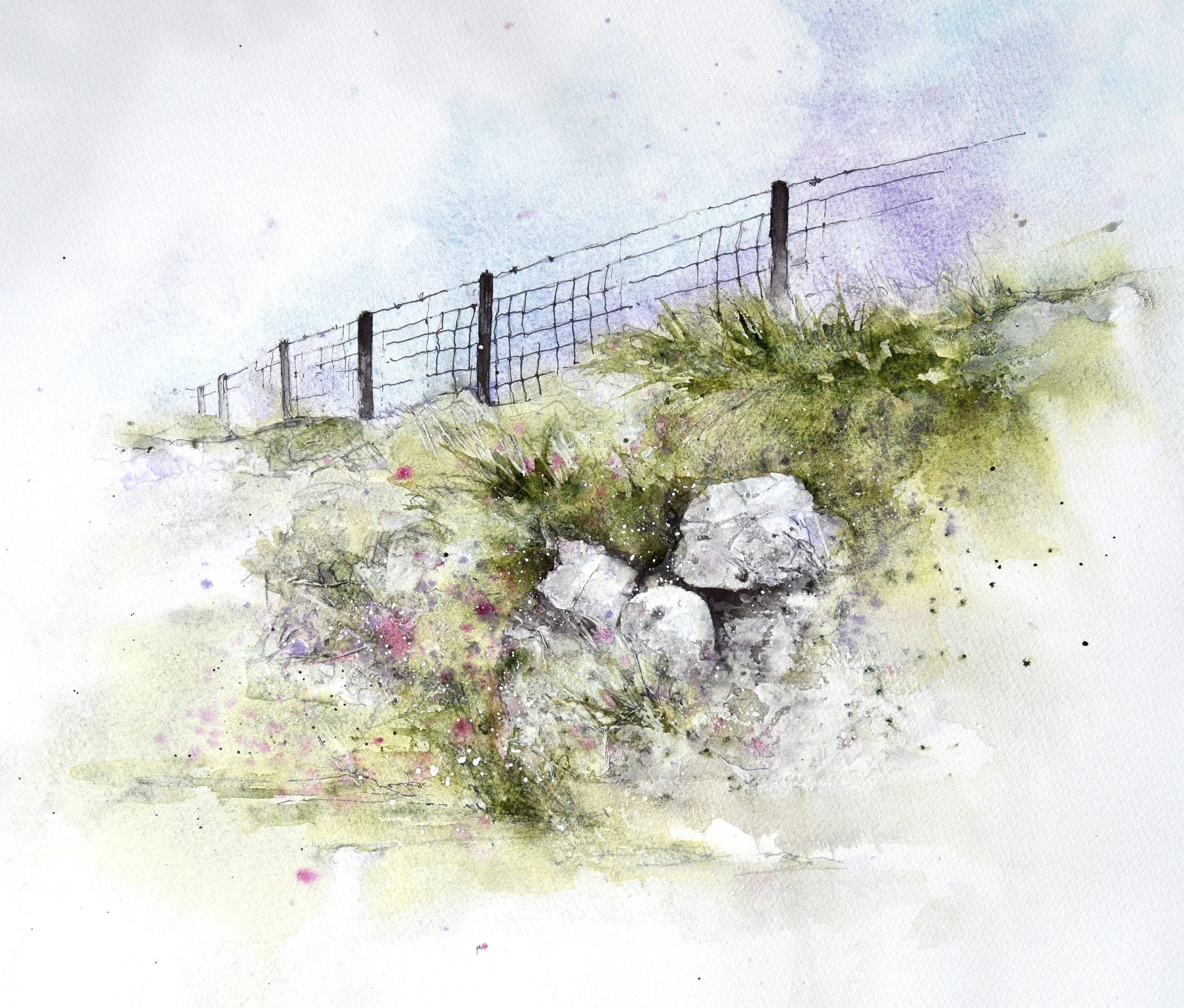
During our time together we will be learning how to paint an iconic Dorset scene. You may choose to do one, two or more paintings depending on your previous painting experience and confidence, but don’t be concerned, I will assume that everyone in the room knows nothing so that if you are a beginner, you won’t be at a disadvantage.
There are three things you need to do before the session:
1. Choose which photograph/s you would like to paint from the images below, download the photograph/s and print them out OR choose to pay a nominal fee for me to bring your reference with me on the day.
2. Gather some basic materials from around your home, nothing fancy, just some things that you may already have OR choose to pay a fee for me to bring them with me for you to borrow on the day.
3. Gather some art materials from my suggestions, you won’t need to replicate them exactly, near enough is just fine and please feel free to email me via ali@learningtopaint.co.uk if you have any questions OR you can choose to pay a fee for me to supply what you need on the day.
Please note that any requests or payments for materials MUST be received by Friday 18th September 2026 to allow me time to order and pack up what you need.
Part 1. Choose your subject
Choose one, two or more landscapes to paint from the images below. Please print them out twice, once on A4 copier paper in black and white (so that the image fills the sheet) and once in either A6 or A5 on photographic paper for you to clearly be able to see the colours and details in the scene.
You are very welcome to work from your own images but they must either be photographs you have taken yourself or have obtained permission to use from the photographer. I take copyright tremendously seriously and I won’t allow images from Google or printed matter to be used, that’s unfair on the photographer to use their work without permission or recompense.
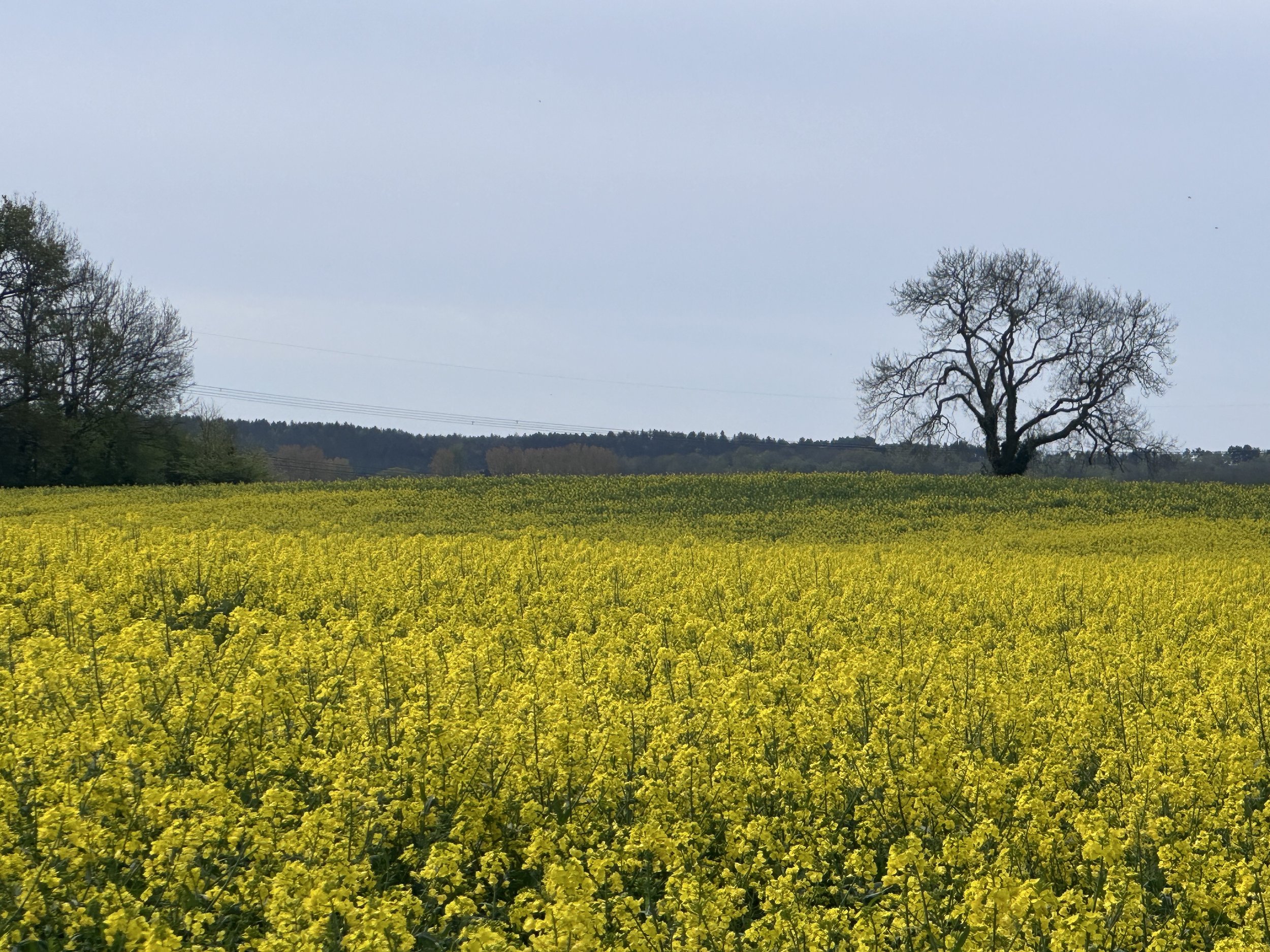
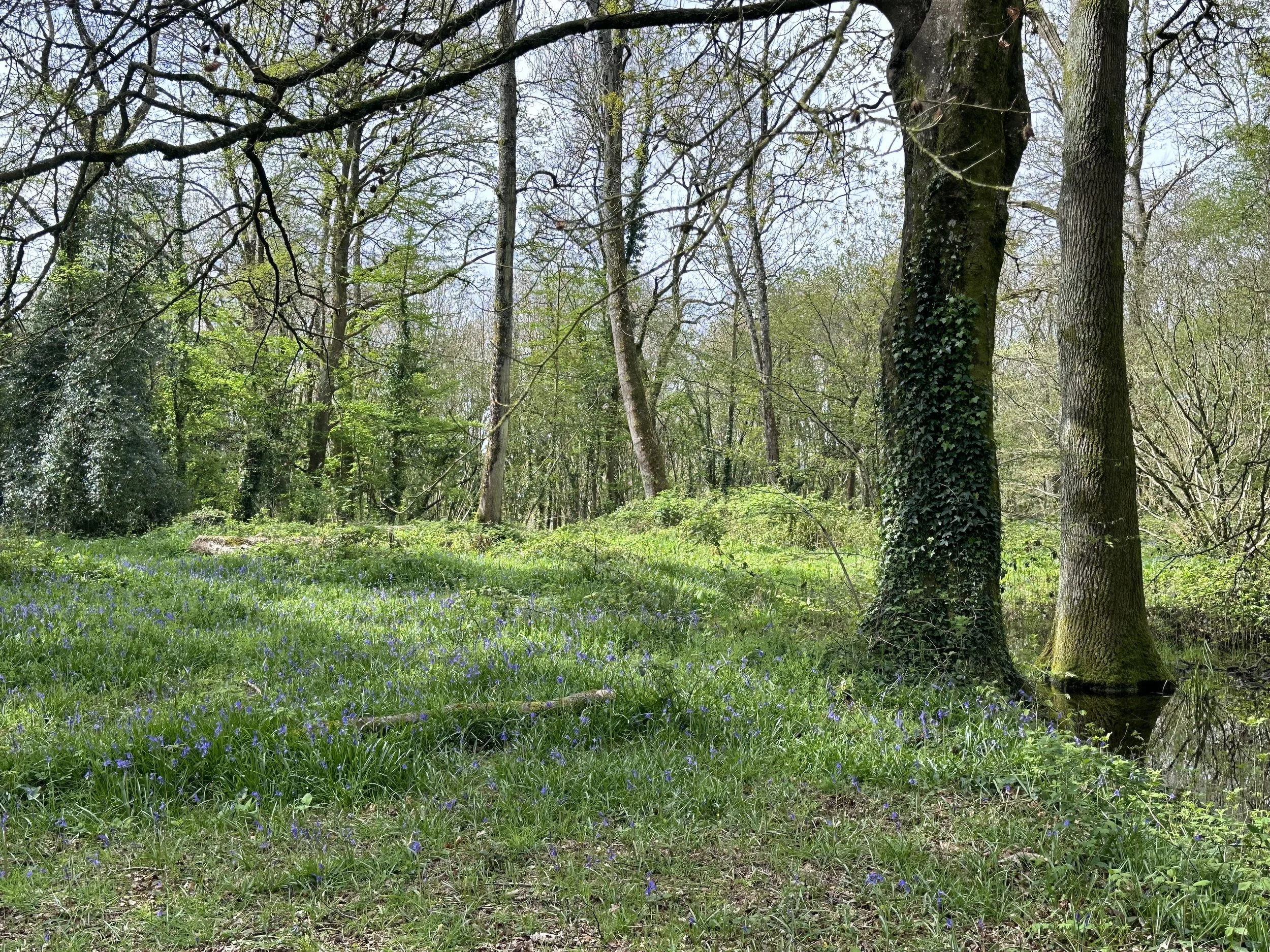
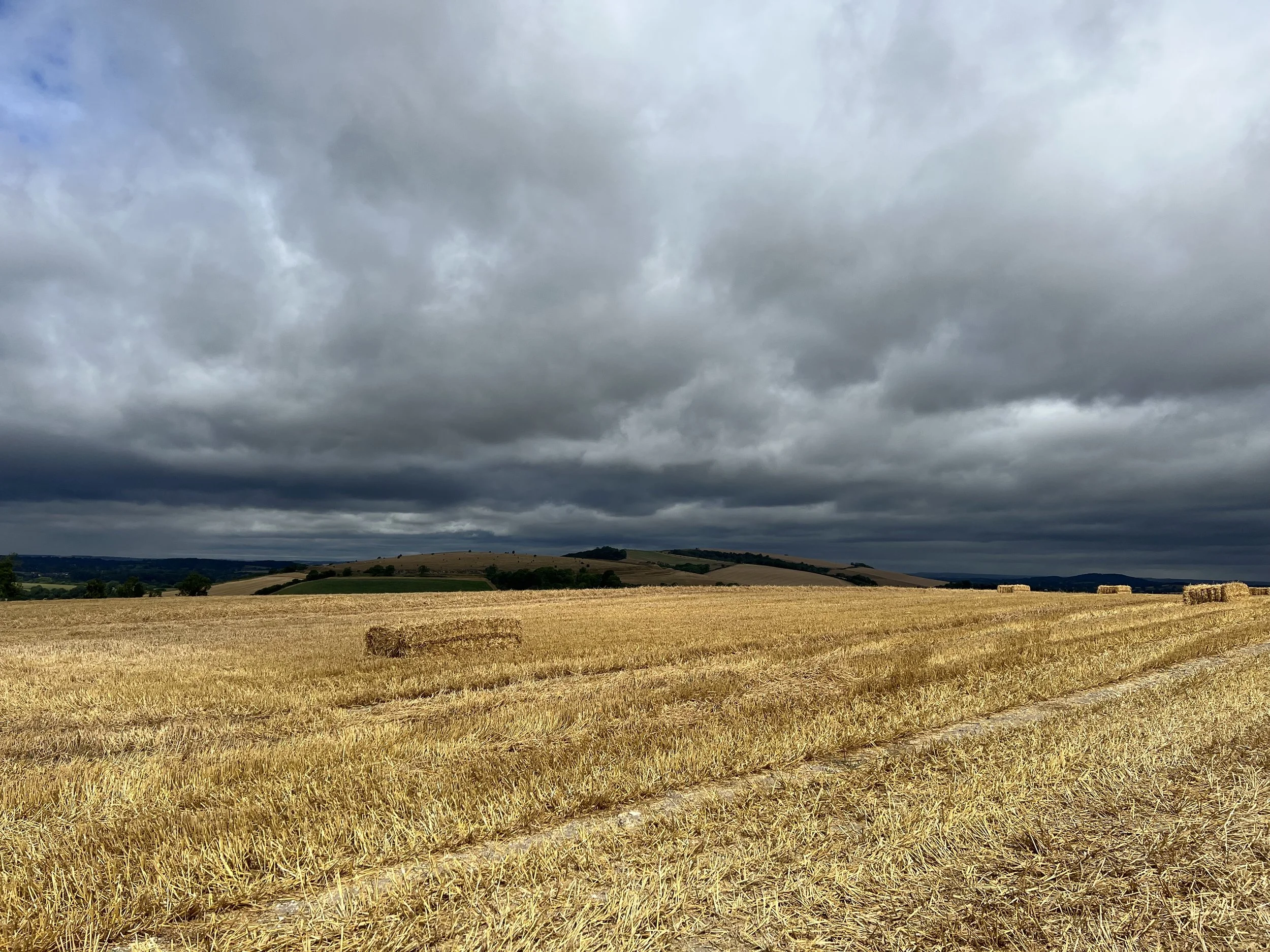
If you do not wish to print them yourself at home, you are welcome to purchase them printed correctly from me before the session, please order by the 18th of September.
A copy of each of the images both in black and white and colour
Part 2. Gather a few basic materials from around your home
Below is a list of things that you may find or can easily acquire from around the house. They may not sound like things you would use for painting but they are some of the most important tools.
Please feel free to use variations to suit your budget or particular situation, exact replication of the materials is not essential for the success of your painting.
Something to lean on approx. 17x13 inches such as a drawing board, a flat tray, piece of wood, cardboard etc.
Something to slightly tip up your surface – a drawing board rest, slope, a pencil case, rolled up newspaper etc.
Framers tape/masking tape/low tac tape (for attaching things or creating a border)
Good size water pot or an old jam jar
Kitchen Roll
Spray Bottle – an old one repurposed for water is fine, make sure it delivers a small amount of a fine mist
A palette to mix on or an old white plate
Pencil & Eraser (putty and/or plastic)
Hairdryer or low heat gun
A notebook to jot down anything important as we go along plus a camera or smartphone to record your progress
Newspaper or a large tablecloth to protect the table and the floor
An apron to protect your clothes
If you do not wish to be concerned with collecting these items, you are welcome to request to borrow them from me during the session, please order by the 18th of September.
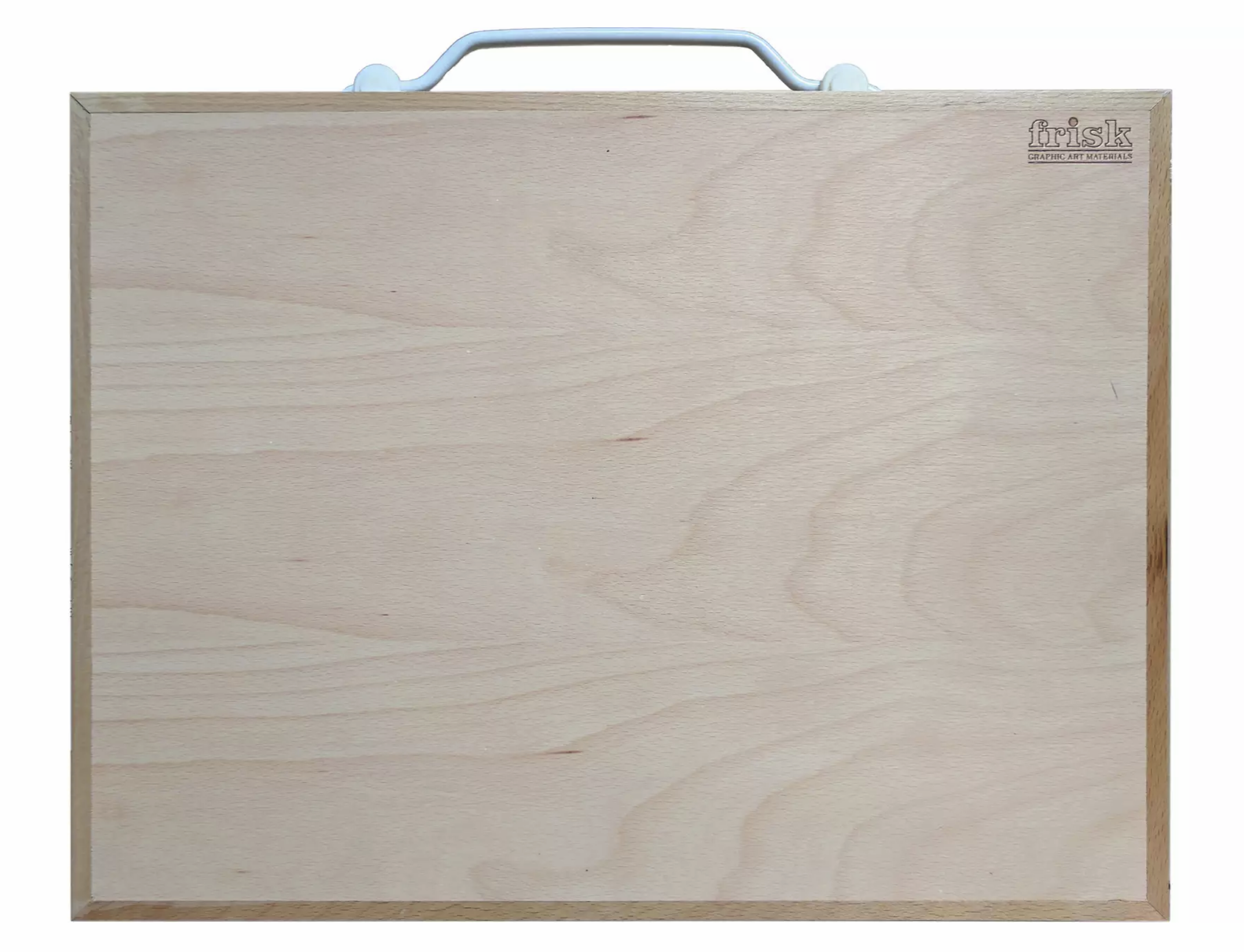
Hire of the basic equipment for the workshop
Part 3. Collect your art materials
Below is a list of suggested art materials for you to complete your project. You do not need to have exactly the right equipment, bring what you have and I am happy to advise you on the day. My only suggestion is to have really good watercolour paper such as Saunders Waterford, Arches or Fabriano Artistico as you will find the techniques much easier to achieve on a good surface.
A way of transferring a photograph to your surface such as Tracedown (graphite) or a graphite stick and a bright coloured biro
Watercolour Paper, I suggest using Fabriano Artistico 300gsm (140lb) in a ‘Cold Pressed’ surface. An ideal size would be 15 x 11 inches (quarter imperial) or A3. A4 is probably going to be too small and can be restricting even for a small painting, better to have larger paper and then reduce it in size than be frustrated because you haven’t got enough room. You will need as many sheets as the number of landscapes you intend to paint!
You may want to consider alternative brands such as Agave watercolour paper, Arches watercolour paper or Saunders Waterford. Papers that don’t have any cotton content such as Bockingford or Cotman will also be okay, you will just find you have slightly more frustrating to move the colour around on them.
You will need an old piece/spare piece of watercolour paper that matches the surface you choose to use for this workshop. There will be techniques you will want to practice before doing them on your main painting.
Gouache paint, good quality in Permanent White/Titanium White or a white paint marker
Brushes – any type suitable for watercolour techniques will be fine (not bristle), they will need to have a point on them and there is no denying that you get what you pay for with brushes but invest what you can afford. I will be using an Imitation Sable range in a variety of sizes and Da Vinci’s ‘Casaneo’ mops.
Watercolour paints in tubes or squeezed out into pans to reinvigorate, study the photos being used as a reference to get a brief idea, again as good quality as you can afford. I will be using the following amongst others: Burnt Umber, Foliage Green, Bee’s Gold, Cobalt Blue and Hematite Genuine
Brusho powders in colours for the foreground texture and a coffee stirrer to apply it
A waterproof sketching pen in brown or grey (not black)
If you do not wish to be concerned with collecting these items or would simply like to treat yourself to not having to think about the materials, please order by the 18th of September.
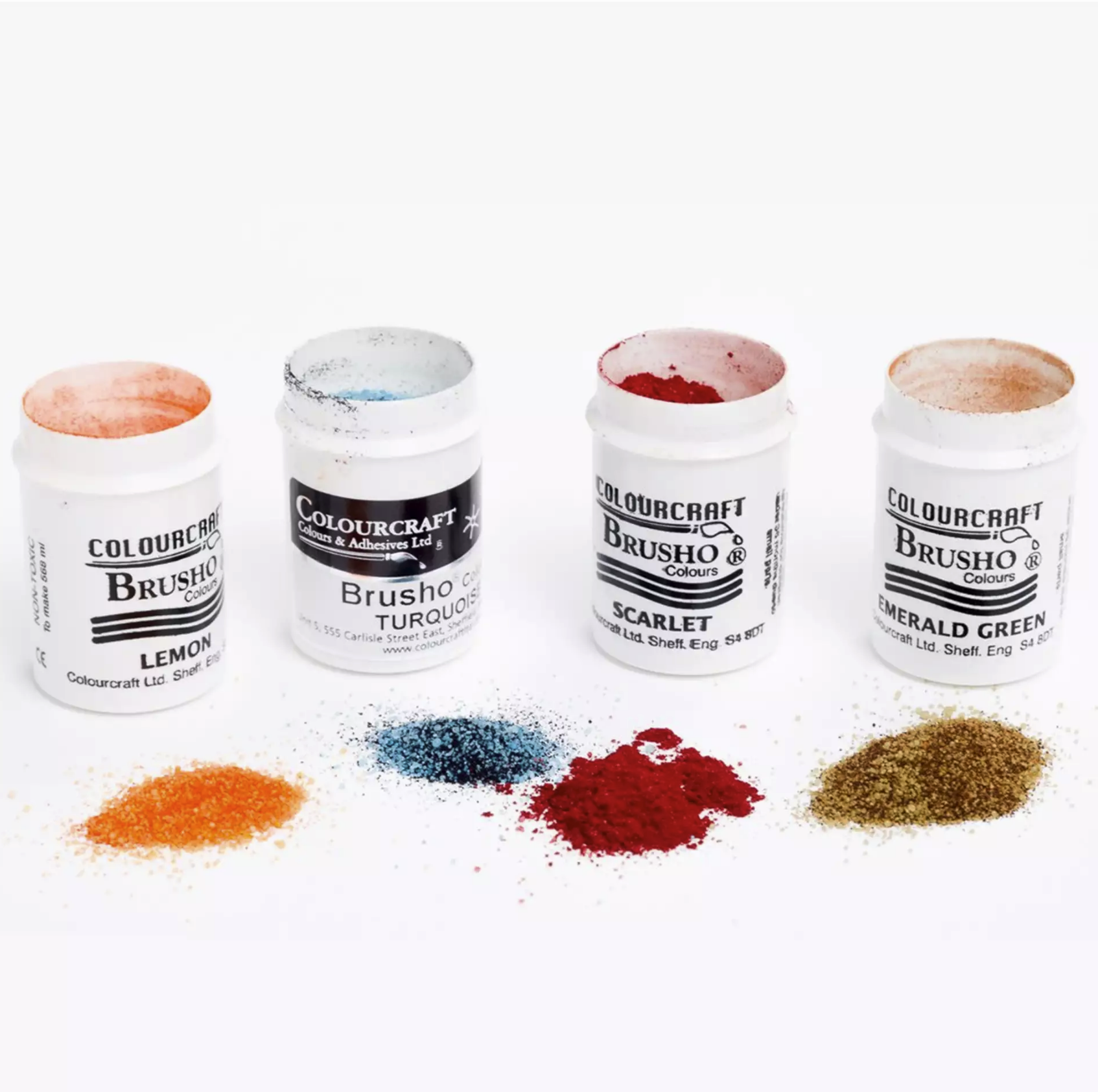
Hire of the painting equipment for the workshop